Korean Fried Chicken 101: Brands, Flavors, and How to Order Like You Live There
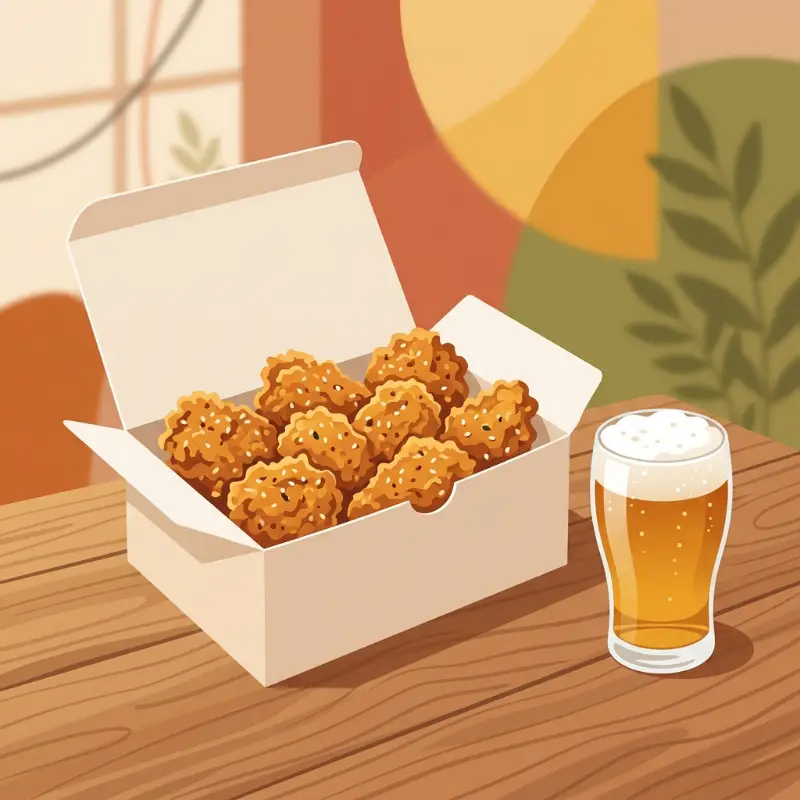
Korea didn't invent fried chicken, but it perfected it. Double-fried for a shatter-crisp skin, painted with sauces that took decades to refine, and eaten with beer so reliably that the combo has its own word: chimaek (치맥, chicken + maekju/beer). There's roughly one chicken restaurant for every convenience store in the country — it's not food, it's infrastructure.
The problem for a first-timer is choice paralysis: dozens of national brands, each with a signature. Here's the field guide — which brand does what best, how to decode the menu, and how to order without opening a translation app.
The big brands and their signature moves
Chains rise and fall, but these four have been national institutions for years — and each is famous for one thing you should order first:
- Kyochon (교촌) — the honey and soy-garlic pioneer; the Honey Combo is many people's single favorite thing in Korea
- bhc — home of Bburinkle (뿌링클), fried chicken dusted in sweet-savory cheese powder that sounds wrong and tastes like a cheat code
- BBQ — the Golden Olive (황금올리브) line, fried in olive oil; the purist's crispy chicken
- Goobne (굽네) — oven-roasted instead of fried; the spicy Gochu Basasak is the guilt-reduced option that still slaps
- And the wildcard: old-school market chicken (옛날통닭) — a whole bird, fried simple, half the price, sold in traditional markets
Menu decoder: banban is the answer
Korean chicken menus revolve around a few key words. Fried (후라이드) is the plain crispy base; yangnyeom (양념) is the sweet-spicy red sauce; ganjang (간장) is soy-garlic. Can't choose? Banban (반반, "half-half") gets you fried on one side, sauced on the other — it's the universally correct first order.
One more fork in the road: bone-in (뼈) versus boneless (순살). Koreans will debate this forever; boneless costs a little more and vanishes faster at parties. And the radish cubes (치킨무) that come in the box aren't a garnish — the pickled crunch between bites is half the experience.
Getting chicken into your hands
Delivery apps (Baemin, Coupang Eats) are the local default, but they usually need a Korean phone number and address input in Korean — tricky from a hotel. The traveler-friendly moves: walk into any branch and order for pickup (포장) or to eat in, or do the classic — buy a whole box and carry it to a Han River park at sunset. Many brands' branches cluster near the river for exactly this reason.
| Korean | Sounds like | Meaning |
|---|---|---|
| 반반 주세요 | banban juseyo | Half fried, half sauced, please — the power move |
| 순살로 주세요 | sunsallo juseyo | Boneless, please |
| 덜 맵게 돼요? | deol maepge dwaeyo? | Can you make it less spicy? |
| 포장 돼요? | pojang dwaeyo? | Can I get it to go? |
| 치킨무 더 주세요 | chikinmu deo juseyo | More pickled radish, please (it's free — ask boldly) |
| 얼마나 걸려요? | eolmana geollyeoyo? | How long will it take? (fresh-fried = 15–20 min, worth it) |
Quick tips
- Korean chickens are smaller than Western ones — one box feeds two people, not four. Order accordingly (or don't, no judgment).
- Chicken is dinner food: many places open around 3–5pm and run past midnight. Lunch chicken is not really a thing.
- Beer pairing is canon, but the locals' secret is cola with yangnyeom and beer with fried.
- Leftover sauced chicken microwaved the next morning is a documented Korean life pleasure. Plan for it.
Practice the Korean from this article by typing it — with an AI tutor checking your pronunciation.
Try Tab Hunmin free